
Enhancing Social Well-Being Through Clean Energy Solutions
- Jan 3
- 5 min read
In an era where climate change poses a significant threat to our planet, the transition to clean energy solutions is not just an environmental necessity but also a social imperative. Clean energy technologies, such as solar, wind, and hydroelectric power, have the potential to enhance social well-being by creating jobs, improving public health, and fostering community resilience. This blog post explores how clean energy solutions can contribute to a more equitable and sustainable society.
Understanding Clean Energy Solutions
Clean energy refers to energy derived from renewable, zero-emission sources that do not pollute the atmosphere when used. The most common forms of clean energy include:
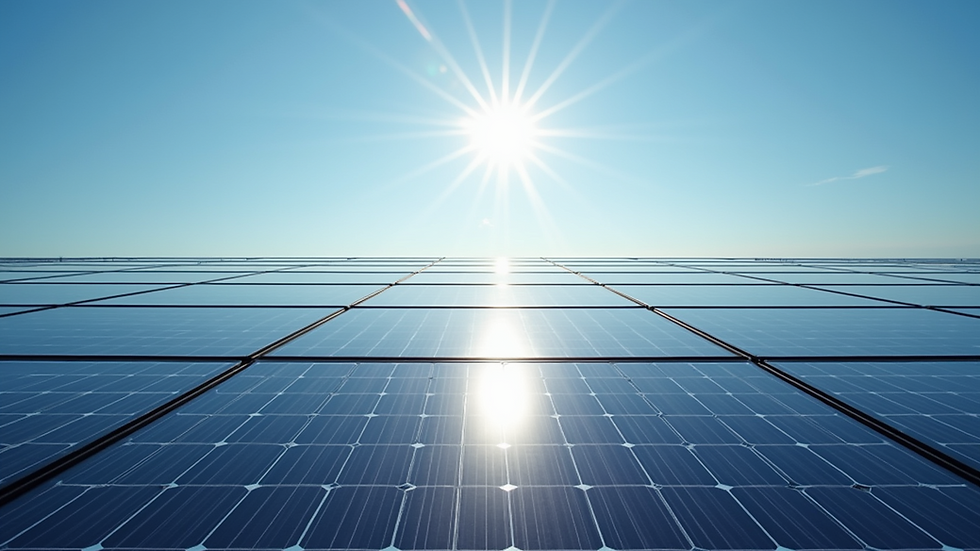
Solar Energy: Captured through solar panels, this energy source converts sunlight into electricity.
Wind Energy: Generated by wind turbines, this form of energy harnesses the power of wind to produce electricity.
Hydroelectric Energy: Produced from the flow of water, typically through dams, this energy source is one of the oldest and most established forms of renewable energy.
Geothermal Energy: This energy is derived from the heat stored beneath the Earth's surface.
Biomass Energy: This involves using organic materials, such as plant and animal waste, to produce energy.
Transitioning to these clean energy sources can significantly reduce greenhouse gas emissions, combat climate change, and improve public health.
The Social Benefits of Clean Energy
Job Creation
One of the most immediate social benefits of clean energy solutions is job creation. The renewable energy sector has been one of the fastest-growing job markets in recent years. According to the International Renewable Energy Agency (IRENA), the renewable energy sector employed over 11 million people globally in 2018, and this number is expected to continue rising.
Local Employment: Many clean energy projects are developed locally, which means jobs are created in the communities where the projects are located. This can lead to economic revitalization in areas that may have been struggling.
Diverse Opportunities: Jobs in the clean energy sector range from engineering and manufacturing to installation and maintenance, providing a variety of opportunities for individuals with different skill sets.
Improved Public Health
Transitioning to clean energy can lead to significant improvements in public health. Traditional energy sources, such as coal and natural gas, release harmful pollutants into the air, contributing to respiratory diseases, cardiovascular problems, and other health issues.
Reduced Air Pollution: Clean energy sources produce little to no air pollutants. For example, a study by the American Lung Association found that transitioning to renewable energy could prevent thousands of premature deaths and hospitalizations due to air pollution.
Healthier Communities: By reducing reliance on fossil fuels, communities can experience cleaner air and water, leading to overall better health outcomes.
Community Resilience
Clean energy solutions can enhance community resilience, particularly in the face of climate change and natural disasters. By investing in renewable energy infrastructure, communities can better withstand and recover from adverse events.
Energy Independence: Communities that invest in local clean energy sources can reduce their dependence on external energy supplies, making them less vulnerable to price fluctuations and supply disruptions.
Disaster Recovery: Clean energy systems, such as microgrids, can provide reliable power during emergencies, allowing communities to maintain essential services and support recovery efforts.
Case Studies: Successful Clean Energy Initiatives
Solar Power in Rural Communities
In many rural areas, solar energy has become a game-changer. For instance, in the United States, the Solar Energy Industries Association (SEIA) reports that solar installations have increased significantly in rural regions. These installations not only provide clean energy but also create jobs and stimulate local economies.
Example: In North Carolina, a community solar project allowed residents to invest in solar energy collectively. This initiative provided affordable energy options and created jobs in installation and maintenance.
Wind Energy and Economic Growth
Wind energy has proven to be a powerful driver of economic growth in various regions. States like Texas and Iowa have embraced wind energy, leading to job creation and increased local revenue.
Example: In Texas, the wind energy sector has created thousands of jobs and generated millions in tax revenue, which has been reinvested into local schools and infrastructure.
Hydroelectric Power and Community Development
Hydroelectric power has long been a reliable source of energy, particularly in areas with abundant water resources. Communities that invest in hydroelectric projects often see significant social benefits.
Example: The Bonneville Power Administration in the Pacific Northwest has developed hydroelectric projects that not only provide clean energy but also support local fisheries and recreational opportunities, enhancing community well-being.
Overcoming Challenges in Clean Energy Adoption
While the benefits of clean energy are clear, several challenges must be addressed to enhance social well-being through these solutions.
Initial Costs
The upfront costs of clean energy technologies can be a barrier for many communities. However, various financing options, such as grants, loans, and tax incentives, can help alleviate these costs.
Solution: Governments and organizations can provide financial assistance and incentives to encourage the adoption of clean energy solutions.
Infrastructure Development
Building the necessary infrastructure for clean energy can be challenging, particularly in underserved areas. This includes not only energy generation facilities but also transmission lines and storage solutions.
Solution: Public-private partnerships can play a crucial role in developing the infrastructure needed for clean energy projects.
Education and Awareness
Many communities may lack awareness of the benefits of clean energy solutions. Education and outreach efforts are essential to inform residents about the advantages of transitioning to renewable energy.
Solution: Community workshops, informational campaigns, and partnerships with local organizations can help raise awareness and promote clean energy initiatives.
The Role of Policy in Promoting Clean Energy
Government policies play a crucial role in promoting clean energy solutions and enhancing social well-being. Effective policies can create a supportive environment for clean energy development and encourage investment in renewable technologies.
Incentives for Clean Energy Adoption
Governments can implement various incentives to encourage the adoption of clean energy solutions, such as:
Tax Credits: Offering tax credits for individuals and businesses that invest in renewable energy technologies can stimulate growth in the sector.
Subsidies: Providing subsidies for clean energy projects can lower the financial burden on communities and encourage investment.
Renewable Energy Standards
Establishing renewable energy standards can ensure that a certain percentage of energy comes from renewable sources. This can drive demand for clean energy technologies and create a more sustainable energy landscape.
Support for Research and Development
Investing in research and development is essential for advancing clean energy technologies. Governments can support innovation by funding research initiatives and collaborating with universities and private companies.
Conclusion: A Call to Action
The transition to clean energy solutions presents a unique opportunity to enhance social well-being while addressing the pressing challenges of climate change. By investing in renewable energy technologies, communities can create jobs, improve public health, and build resilience against future challenges.
As individuals, we can contribute to this movement by advocating for clean energy policies, supporting local renewable energy projects, and educating ourselves and others about the benefits of clean energy. Together, we can create a sustainable future that prioritizes both environmental health and social well-being.
Let’s take action today to harness the power of clean energy for a better tomorrow.


Comments