
Sustainable Energy Solutions for a Greener Future
- Jan 3
- 6 min read
The urgency for sustainable energy solutions has never been more pressing. As climate change accelerates and fossil fuel resources dwindle, the need for cleaner, renewable energy sources becomes critical. This blog post explores various sustainable energy solutions that can pave the way for a greener future, highlighting their benefits, challenges, and real-world applications.

Understanding Sustainable Energy
Sustainable energy refers to energy sources that are renewable and have a minimal impact on the environment. Unlike fossil fuels, which release harmful emissions and contribute to global warming, sustainable energy sources can be replenished naturally. Key types of sustainable energy include:
Solar Energy: Harnessed from the sun using solar panels.
Wind Energy: Generated by wind turbines converting wind currents into electricity.
Hydropower: Produced from the movement of water, typically in rivers or dams.
Geothermal Energy: Derived from the heat stored beneath the Earth's surface.
Biomass: Organic materials used as fuel, such as plant and animal waste.
Each of these energy sources plays a crucial role in reducing carbon footprints and promoting environmental sustainability.
The Benefits of Sustainable Energy Solutions
Transitioning to sustainable energy solutions offers numerous advantages:
Environmental Impact: Sustainable energy sources produce little to no greenhouse gas emissions, significantly reducing air pollution and combating climate change.
Energy Independence: By utilizing local resources, countries can reduce their reliance on imported fossil fuels, enhancing energy security.
Economic Growth: The renewable energy sector is a rapidly growing industry, creating jobs in manufacturing, installation, and maintenance.
Health Benefits: Cleaner air and reduced pollution lead to better public health outcomes, decreasing healthcare costs associated with pollution-related illnesses.
Sustainable Development: Investing in renewable energy supports long-term economic and social development, particularly in underserved communities.
Solar Energy: A Bright Future
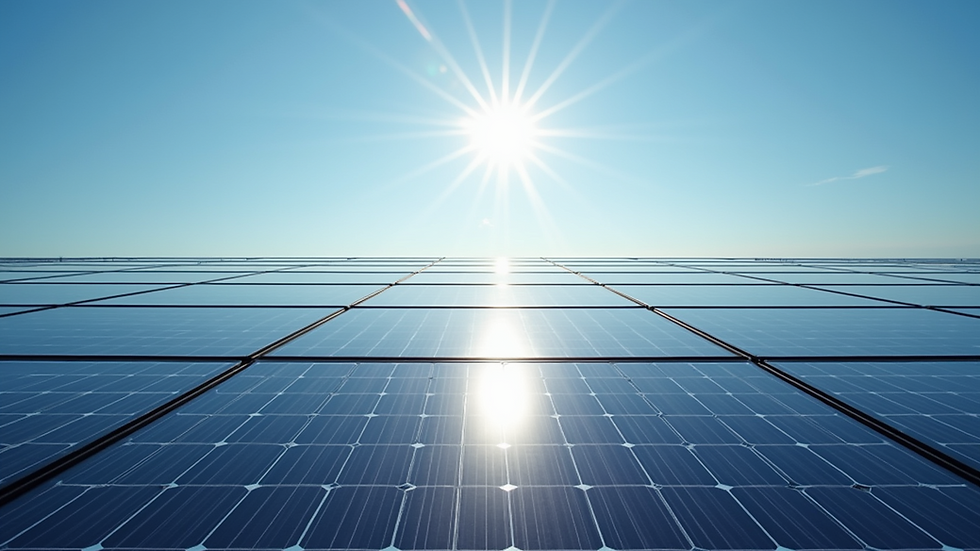
Solar energy is one of the most accessible and widely adopted forms of renewable energy. With advancements in technology, solar panels have become more efficient and affordable. Here are some key points about solar energy:
How It Works: Solar panels convert sunlight into electricity through photovoltaic cells. This electricity can power homes, businesses, and even feed back into the grid.
Applications: Solar energy can be used for residential power, commercial buildings, and large-scale solar farms. For example, the Ivanpah Solar Electric Generating System in California is one of the largest solar thermal power plants in the world.
Challenges: While solar energy is abundant, it is intermittent, meaning it is not always available. Energy storage solutions, such as batteries, are essential to address this issue.
Wind Energy: Harnessing Nature's Power
Wind energy is another promising sustainable energy solution. Wind turbines convert kinetic energy from wind into electricity. Here’s what you need to know:
Efficiency: Modern wind turbines can generate significant amounts of electricity. A single turbine can power hundreds of homes.
Global Impact: Countries like Denmark and Germany have made substantial investments in wind energy, leading to a significant portion of their electricity coming from wind.
Environmental Considerations: While wind energy is clean, it can impact local wildlife, particularly birds and bats. Careful site selection and technology improvements can mitigate these effects.
Hydropower: The Power of Water
Hydropower has been used for centuries and remains one of the largest sources of renewable energy worldwide. Here’s an overview:
Mechanism: Hydropower plants use flowing water to turn turbines, generating electricity. Dams are often built to create reservoirs, but run-of-the-river systems can also be effective.
Advantages: Hydropower is reliable and can provide a consistent energy supply. It also offers benefits like flood control and irrigation.
Environmental Concerns: Large dams can disrupt local ecosystems and displace communities. Sustainable practices, such as fish ladders and environmental flow management, are essential for minimizing these impacts.
Geothermal Energy: Tapping into the Earth’s Heat
Geothermal energy utilizes heat from the Earth’s core to generate electricity and provide direct heating. Here’s how it works:
Sources: Geothermal energy can be harnessed from hot springs, geysers, and geothermal reservoirs. Countries like Iceland and the Philippines are leaders in geothermal energy production.
Applications: Beyond electricity generation, geothermal energy can be used for district heating, greenhouse heating, and even spa facilities.
Challenges: Geothermal energy is location-dependent, requiring suitable geological conditions. Exploration and drilling can be costly and technically challenging.
Biomass: Organic Energy Solutions
Biomass energy is derived from organic materials, including plant and animal waste. It can be converted into biofuels, electricity, and heat. Here are some insights:
Types of Biomass: Common sources include agricultural residues, wood, and municipal solid waste. These materials can be processed into biofuels like ethanol and biodiesel.
Benefits: Biomass can help reduce waste and provide a renewable energy source. It also contributes to carbon neutrality, as the CO2 released during combustion is offset by the CO2 absorbed during the growth of the biomass.
Limitations: The sustainability of biomass depends on responsible sourcing and management. Overharvesting can lead to deforestation and habitat loss.
The Role of Technology in Sustainable Energy
Advancements in technology are crucial for the growth and efficiency of sustainable energy solutions. Key areas of innovation include:
Energy Storage: Battery technology is evolving rapidly, allowing for better storage of renewable energy. Lithium-ion batteries are commonly used, but new technologies like solid-state batteries show promise for the future.
Smart Grids: Smart grid technology enhances the efficiency of electricity distribution, allowing for better integration of renewable energy sources and real-time monitoring of energy use.
Energy Efficiency: Innovations in energy efficiency, such as smart appliances and building materials, can reduce overall energy consumption, complementing renewable energy efforts.
Policy and Investment: Driving Change
Government policies and investments play a critical role in promoting sustainable energy solutions. Here are some strategies that can drive change:
Incentives and Subsidies: Financial incentives for renewable energy projects can encourage investment and adoption. Tax credits, grants, and rebates can lower the cost barrier for consumers and businesses.
Regulatory Frameworks: Establishing clear regulations and standards for renewable energy can create a stable environment for investment and innovation.
Public Awareness: Educating the public about the benefits of sustainable energy can drive demand and support for renewable initiatives.
Real-World Examples of Sustainable Energy Solutions
Several countries and companies are leading the way in implementing sustainable energy solutions. Here are a few notable examples:
Germany: The Energiewende initiative aims to transition the country to a sustainable energy system, focusing on renewable energy sources and energy efficiency.
Costa Rica: This Central American nation has achieved remarkable success in renewable energy, running on over 99% renewable sources, primarily hydropower.
Tesla: The company is not only known for electric vehicles but also for its advancements in solar energy and battery storage solutions, promoting a sustainable energy ecosystem.
Overcoming Challenges in Sustainable Energy Adoption
While the benefits of sustainable energy are clear, several challenges remain:
Infrastructure: Upgrading existing energy infrastructure to accommodate renewable sources can be costly and time-consuming.
Public Perception: Misconceptions about renewable energy, such as reliability and cost, can hinder adoption. Education and outreach are essential to address these concerns.
Investment: Securing funding for renewable energy projects can be challenging, especially in developing regions. Innovative financing models, such as green bonds, can help bridge this gap.
The Future of Sustainable Energy
The future of sustainable energy is promising, with ongoing advancements and growing public support. As technology continues to evolve, we can expect:
Increased Efficiency: Continued improvements in energy efficiency and renewable energy technologies will make sustainable solutions more accessible and affordable.
Global Collaboration: International cooperation will be vital in sharing knowledge, resources, and best practices to accelerate the transition to sustainable energy.
Resilience: A diversified energy portfolio that includes various renewable sources will enhance energy resilience and security, reducing vulnerability to climate change impacts.
Conclusion
Sustainable energy solutions are essential for creating a greener future. By embracing renewable energy sources like solar, wind, hydropower, geothermal, and biomass, we can reduce our carbon footprint, promote economic growth, and protect our planet for future generations. The transition to sustainable energy requires collective action from individuals, businesses, and governments. By investing in these solutions and advocating for change, we can build a sustainable energy future that benefits everyone.
As we move forward, consider how you can contribute to this vital transition. Whether it’s adopting renewable energy in your home, supporting sustainable policies, or simply spreading awareness, every action counts in the fight for a greener planet.

Comments